
Joint pain can affect nearly every part of daily life. Whether it is discomfort in the knees while walking, stiffness in the shoulders when reaching overhead, or hip pain that interrupts sleep, ongoing joint pain can make even simple movements difficult.
For many people, chronic joint pain develops gradually due to arthritis, overuse injuries, inflammation, or past trauma. While some cases improve with rest or therapy, others require more targeted treatment to reduce inflammation and restore mobility. Joint injections are one of the most effective non-surgical options available for managing pain and improving function.
How Joint Injections Help with Joint Pain
Joint pain is a pervasive medical issue defined by persistent musculoskeletal discomfort, localized swelling, and significant mechanical limitations. While the foundational cause can range from wear-and-tear degenerative arthritis to acute sports injuries, the resulting friction within the joint space leads to chronic localized inflammation. This means that normal physical movements can rub the sensitive joint capsule raw, amplifying pain signals and making physical therapy or daily tasks difficult to complete.
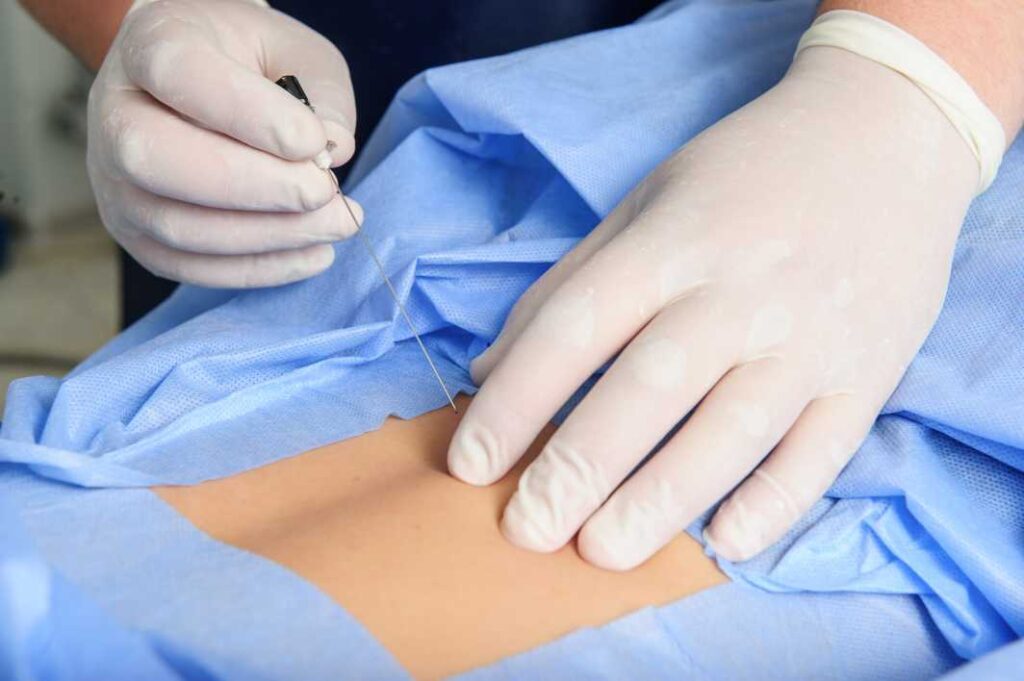
To interrupt this cycle, joint injections are utilized as a highly targeted, evidence-informed medical intervention. Unlike oral medications that must travel through your entire digestive and circulatory system, a joint injection delivers powerful therapeutic agents directly into the affected intra-articular space. By targeting the affected area directly, joint injections can help reduce swelling, ease discomfort, and improve overall joint function without the need for surgery.
Depending on the condition being treated, injections may include:
| Type of Injection | Purpose |
|---|---|
| Corticosteroid Injections | Reduce inflammation and relieve pain |
| Diagnostic Injections | Help identify the source of pain |
| Viscosupplementation Injections | Improve joint lubrication and cushioning |
| Local Anesthetic Injections | Provide temporary pain relief |
Joint injections are often recommended as part of a broader rehabilitation plan that may also include physical therapy, exercise, and lifestyle modifications.
Signs You Might Need an Interventional Joint Procedure
Degenerative joint disease and cartilage wear may not always respond to basic conservative care, which can make managing your mobility frustrating. However, chronic joint inflammation is a very real condition that requires an advanced, compassionate approach. You may be an ideal candidate for an interventional joint injection if you experience:
- Localized, Throbbing Discomfort: A level of sharp or aching pain deep inside the knee, shoulder, hip, or elbow that is not resolved by rest or over-the-counter anti-inflammatories.
- Mechanical Grinding and Stiffness: A constant, tight sensation accompanied by a structural grinding (crepitus) that limits your ability to bend, reach, or walk smoothly.
- Failure of First-Line Treatments: Your symptoms persist despite completing trials of physical therapy, activity modification, or oral pain medications.
- Sleep Disturbances Due to Pain: Inability to find a comfortable resting position or waking up frequently throughout the night due to a throbbing, inflamed joint capsule.
- Loss of Functional Independence: Difficulty performing necessary daily activities, such as climbing stairs, grocery shopping, or driving, due to sudden joint catching or weakness.
- Visible Swelling and Warmth: Recurrent physical signs of localized inflammation, including fluid retention around the joint and tenderness during light physical touch.
Conditions Commonly Treated With Joint Injections
Joint injections can help treat a wide range of musculoskeletal conditions affecting different areas of the body. Some of the most common conditions we treat include:
Osteoarthritis: Osteoarthritis is one of the leading causes of chronic joint pain, especially in the knees, hips, and shoulders. As cartilage wears down over time, joints become inflamed, stiff, and painful. Joint injections can help reduce inflammation and improve mobility for patients struggling with arthritis related discomfort.
Shoulder Pain and Rotator Cuff Injuries: Shoulder conditions can make lifting, reaching, and sleeping difficult. Injections may help relieve inflammation associated with rotator cuff irritation, bursitis, or frozen shoulder.
Knee Pain: Knee injections are commonly used for arthritis, sports injuries, and overuse conditions. Many patients experience improved walking tolerance and reduced swelling after treatment.
Hip Pain: Hip pain can limit standing, walking, and exercise. Injections can help reduce inflammation inside the hip joint and improve daily comfort.
Sports and Overuse Injuries: Athletes and active adults often develop inflammation due to repetitive movement patterns. Joint injections may help support recovery while allowing patients to continue rehabilitation exercises safely.
What to Expect During a Joint Injection Procedure
Many patients are surprised by how quick and straightforward joint injections can be. At CPMR, our team focuses on making the procedure as comfortable and efficient as possible. Most injections are performed in the office and take only a short amount of time.
During the procedure:
- The treatment area is cleaned and prepared
- The physician carefully identifies the injection site
- Medication is delivered directly into the joint
- Patients are monitored briefly before returning home
Most patients can resume light daily activities shortly after the procedure, although strenuous activity may be limited for a short period depending on the joint treated. Some patients experience relief within a few days, while others notice gradual improvement over several weeks.
Are Corticosteroid Joint Injections Safe?
Corticosteroid joint injections (often called a cortisone shot) are widely used and generally considered safe when performed by trained medical professionals. Like any medical procedure, there are potential risks, but complications are uncommon.

Before treatment, your provider will review your medical history, discuss potential risks, and answer any questions you may have about the procedure.
The CPMR Interventional Care Approach
We believe that treating chronic joint conditions requires looking at how a localized structural issue impacts your entire physical well-being. Our multidisciplinary team in both of our Metro Detroit clinics consists of board-certified physiatrists and pain management specialists who collaborate to integrate your injection therapy into a comprehensive recovery plan.
| Injection Treatment Category | Clinical Mechanism | Primary Functional Goal |
| Corticosteroid Injections | Rapid reduction of localized chemical inflammation and swelling | Immediate acute pain relief and restoration of baseline movement |
| Viscosupplementation (HA) | Delivery of natural, gel-like lubrication to the intra-articular space | Enhanced shock absorption, reduced grinding, and cartilage protection |
| Image-Guided Procedures | Real-time ultrasound or fluoroscopic needle visualization | Maximum diagnostic accuracy, patient safety, and targeted medication delivery |
| Diagnostic Nerve Blocks | Temporary disruption of localized pain signaling pathways | Identification of precise structural sources of chronic joint pain |
| Integrated Physical Medicine | Post-injection physical therapy and structural bracing | Capitalizing on pain-free windows to build permanent joint stability |
Start Your Journey Toward Relief
Chronic joint pain can become more difficult to manage when left untreated. Early intervention often helps reduce inflammation, improve movement, and prevent symptoms from interfering further with daily life. Joint injections may provide the relief needed to help you move more comfortably and return to the activities you enjoy.
At the Center for Physical Medicine & Rehabilitation, we help patients throughout Metro Detroit (from our clinics in Warren, MI and Shelby Township, MI) find personalized solutions for chronic joint pain and mobility issues. Whether your symptoms are caused by arthritis, injury, or overuse, our team is here to help you explore effective non surgical treatment options.
Contact us today to schedule an appointment and take the next step toward lasting relief.


